When hand ironing starts to slow the laundry down
For some businesses, ironing is a small part of the laundry process. For others, it can become one of the most time-consuming jobs in the room.
If staff are spending hours pressing sheets, table linen or other flat items by hand, a commercial ironer could be your best investment.
The question is not simply whether an ironer would be faster. It is whether it would make the whole laundry process more efficient and easier to manage.
A business processing large amounts of flat linen every week may benefit from commercial ironing equipment long before another business with a lighter workload. The type of laundry matters too.
What does a commercial ironer actually do?
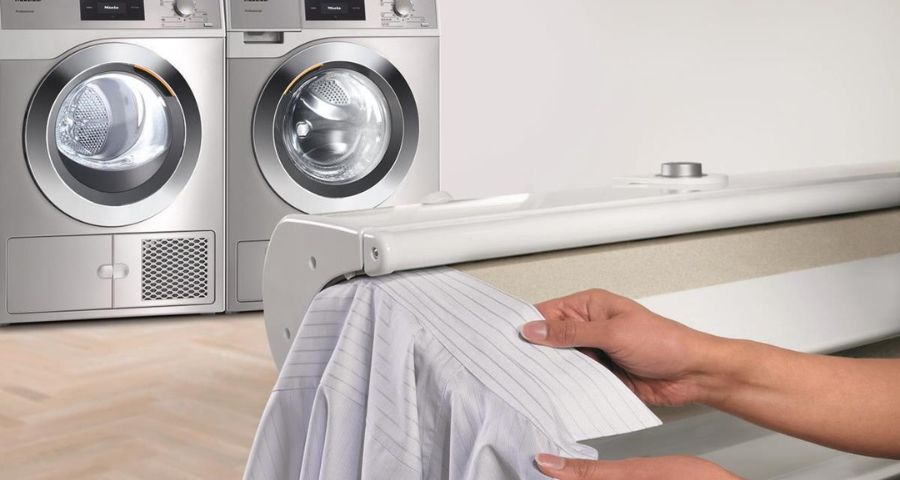
A commercial ironer is designed to press larger flat items quickly and consistently.
Depending on the machine, linen is fed across a heated roller or ironing surface, then passed through the machine under pressure. Some larger systems can also help with drying as part of the process.
This makes them particularly useful for items such as:
- Bed sheets and duvet covers
- Tablecloths and napkins
- Pillowcases
- Other flat linen processed in volume
The main advantage is throughput.
Pressing one sheet by hand is manageable. Repeating the same job across dozens or hundreds of items takes far more staff time.
A commercial ironer helps reduce that manual workload while producing a more consistent finish.
Which businesses are most likely to need one?
Hotels are an obvious example because of the amount of bedding and linen they process.
Restaurants, larger guest accommodation businesses and care environments can also benefit, depending on what they wash in-house.
However, sector alone should not decide whether an ironer is needed.
The better questions are:
- How much flat linen do you process?
- How long does staff ironing take?
- Does ironing regularly hold up the rest of the laundry?
If the washing and drying are finished but clean linen is still waiting to be pressed, ironing may have become the bottleneck.
That is usually the point where it is worth looking at a different setup.
Think about the linen before choosing the machine
Not every ironer is designed for the same job.
The width of the items being processed is important. Sheets and larger table linen need enough working width to move through the machine comfortably.
The amount of linen also matters. A smaller operation may need a relatively compact ironer, while a busy commercial laundry will require greater throughput.
Some businesses may also benefit from equipment that combines drying and ironing. That can reduce the number of stages required before linen is ready to return to use.
Laundry Rental Scotland offers commercial ironing equipment for different widths and workloads, including flatwork and drying ironers.
The right machine depends on the work it needs to do rather than simply choosing the largest available.
Space matters more than people sometimes expect
Adding a commercial ironer changes the layout of the laundry room.
You need enough space for the machine itself, but that is only part of the picture.
Staff need room to feed linen into the ironer safely and handle it as it comes out. There also needs to be practical space for sorting and moving finished items without blocking access to other machines.
Delivery access needs to be considered too.
The wider commercial laundry room requirements should therefore be checked before an ironer is added to an existing setup.
A site assessment can identify whether the available room, power supply and layout are suitable before equipment is specified.
An ironer should solve a real problem
There is little value in adding equipment simply because it is available.
A commercial ironer makes sense when the current ironing process is taking too much time or limiting how quickly linen can move through the laundry.
For example, staff may be finishing the washing and drying comfortably but spending the rest of the shift catching up with ironing.
In that situation, buying a larger washer would not solve the problem. Neither would adding another dryer.
The hold-up is happening at the final stage.
Looking at the complete laundry process helps identify where extra capacity will actually make a difference. Our guide to choosing commercial laundry equipment for rental explains why equipment should always be matched to how the business operates day to day.
Rental can make commercial ironing equipment easier to access
A commercial ironer is specialist equipment, so purchasing one outright can represent a significant investment.
Rental offers another route.
Instead of committing to a large upfront purchase, the business can access equipment selected around its workload and available space.
Servicing and maintenance are also included within the rental agreement. This means the machine is not simply installed and left for the business to manage.
For operations where ironing is an important part of the working day, that ongoing support matters.
It keeps the focus on getting linen processed rather than organising maintenance separately.
If you are comparing the wider financial implications, our guide to commercial laundry rental costs explains what can influence the overall rental price.
Do you need a commercial ironer?
If hand ironing is keeping up comfortably with the workload, there may be no reason to change the setup.
However, once ironing starts taking significant staff time or holding up clean linen, it is worth reviewing how the work is being handled.
A commercial ironer can speed up the final stage of the laundry process and give staff a more practical way to deal with larger volumes of flat linen.
The important part is choosing equipment that suits the workload.
Laundry Rental Scotland supplies commercial ironing equipment from trusted manufacturer partners, with installation, routine servicing and ongoing support included throughout the rental agreement.